
Drainage plans for site compliance and pollution control
A verified drainage plan is a core part of site environmental management. It helps you understand how water flows across your site, where it leaves, and where pollution risks exist.
Whether you’re applying for permits, planning maintenance, managing effluent, or preparing for emergencies, a current and accurate drainage plan puts you in control.
Book a drainage plan verification today

Understand your drainage system before it becomes a problem
Drainage plans aren’t just for reference; they’re a working tool to help you manage site activities, control pollution, and support safe operation.
A verified plan identifies all foul and surface drains, interceptors, effluent routes, gradients, and flow directions, so nothing is left to assumption.
We help commercial sites verify, update and use drainage plans as part of ongoing compliance and operational control. Plans are essential for effluent consent applications, PIRPs, emergency response and scheduled maintenance. When up to date, they help prevent oversights, manage site changes, and support environmental responsibilities.






A drainage plan is essential for compliant site management
From wastewater control to emergency response, everything starts with knowing how your site drains. A verified plan helps reduce pollution risk, meet legal duties, and support proactive site planning.
Map and maintain underground systems with confidence
A drainage plan identifies foul and surface systems, flow direction, manholes, channels, gullies and discharge points; everything you need to plan servicing, prevent flooding and manage runoff risks.
Support permit applications and site inspections
Whether you’re applying for a trade effluent consent or preparing for an audit, a current drainage plan helps demonstrate site understanding and speeds up regulatory processes.
Improve emergency response and pollution control
Above-ground gradients and underground flows help your team respond quickly in the event of a spill. A drainage plan shows where pollution could go and how to intercept it.
Get in touch
Book a drainage plan verification today
A verified drainage plan gives you visibility, control and compliance. Speak to our team to book a site visit or integrate drainage planning into your environmental management.


Why drainage plans are important
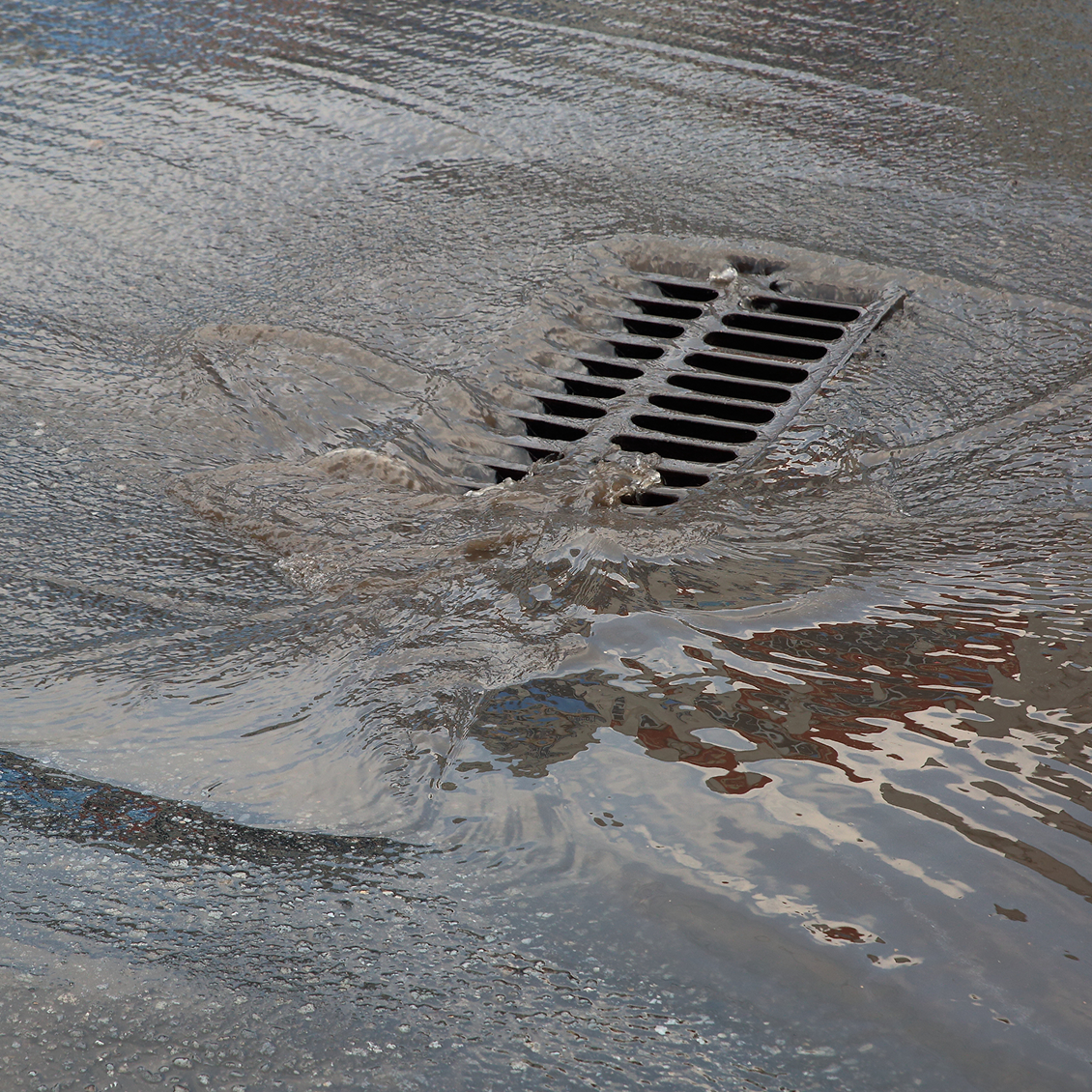
Every site has drainage. But not every site knows where it flows, what’s connected, or where problems might start. An accurate drainage plan turns guesswork into evidence, helping you avoid costly mistakes, demonstrate compliance, and plan maintenance or site changes with confidence.
Your details
Get your drainage plan verified and in use
Don’t rely on old maps or assumptions. Request a site visit to verify your drainage plan and keep your environmental responsibilities under control.
FAQs
What should be shown on a site drainage plan?
Your plan should clearly show all foul and surface drainage, flow direction, manholes, interceptors, infrastructure like wash bays or fuel areas, and above-ground gradients. It should also mark effluent discharge points and key pollution control features.
When should I update my drainage plan?
Any changes to your site; from layout changes to new discharge points or relocated operations should prompt a drainage plan review.
How is a drainage plan used for spill response?
It shows where pollution could go, where it can be intercepted, and which drains lead to which outfalls. This helps your team act fast, reduce impact, and meet PIRP requirements during a spill.
Can a drainage plan help with consent applications?
It shows where pollution could go, where it can be intercepted, and which drains lead to which outfalls. This helps your team act fast, reduce impact, and meet PIRP requirements during a spill.
What’s the link between drainage plans and maintenance?
A drainage plan helps schedule routine servicing, spot neglected areas, and ensure interceptors are correctly located and maintained.